Curriculum
Our Curriculum
At Cheltenham East Primary School, learning is guided by the Gradual Release of Responsibility model, where teachers explicitly model, guide and support students toward independent mastery, reflecting the principles of the Science of Learning. These principles include regular review and recall of previously taught content, spaced practice over time, mixing different types of tasks, and connecting new ideas to what they already know. We help students break down complex tasks, stay focused, and learn from mistakes, building confidence and deep understanding along the way. Teaching and Learning is designed to build and connect knowledge across curriculum areas, with a strong focus on English and Mathematics, as outlined in our 2024–2028 School Strategic Plan. We implement a guaranteed and viable curriculum in both English and Mathematics, ensuring that all students receive consistent, high-quality instruction and that learning is strategically scaffolded as they progress through the school. Students begin by sharing prior knowledge, then build new understandings through sequenced, explicit instruction and apply their learning in meaningful, real-world contexts.
English at Cheltenham East Primary School
At Cheltenham East Primary School, English is taught in alignment with the Victorian Curriculum and evidence-based practice. We provide a comprehensive program that develops students’ skills in listening, speaking, reading, viewing and writing within a supportive and engaging environment. Our instructional model incorporates explicit teaching and a gradual release of responsibility, with lessons following a cycle of: teach, practise, apply and this is applied to all reading and writing instruction. Assessments are used to closely track the growth of students, and targeted interventions are provided to support and extend students as required.
Speaking and Listening
At Cheltenham East Primary School, we recognise the importance of developing the speaking and listening skills of students, not only for their social and emotional development, but also as a mode for learning. Effective expressive and receptive language skills are taught across all year levels and are heavily integrated into all areas of the curriculum.
Reading and Viewing
Our Reading program at Cheltenham East Primary School focuses on the Big Six of Reading: oral language, phonological awareness, phonics, vocabulary, fluency and comprehension. Reading strategies are explicitly taught using a variety of picture story books, novels, articles and digital texts.
For our Foundation to Year 2 students, reading is taught through a synthetic phonics approach. Students actively participate in activities that build phonemic awareness (identifying and manipulating sounds in spoken words) and synthetic phonics, where they learn the relationships between sounds and the letters that represent them. Decodable books are used to explicitly teach and support the development of decoding skills, providing controlled texts that enables students to apply their phonics knowledge with confidence. In addition, our take-home reading program nurtures a love of reading while reinforcing the fundamental skills taught in the classroom.
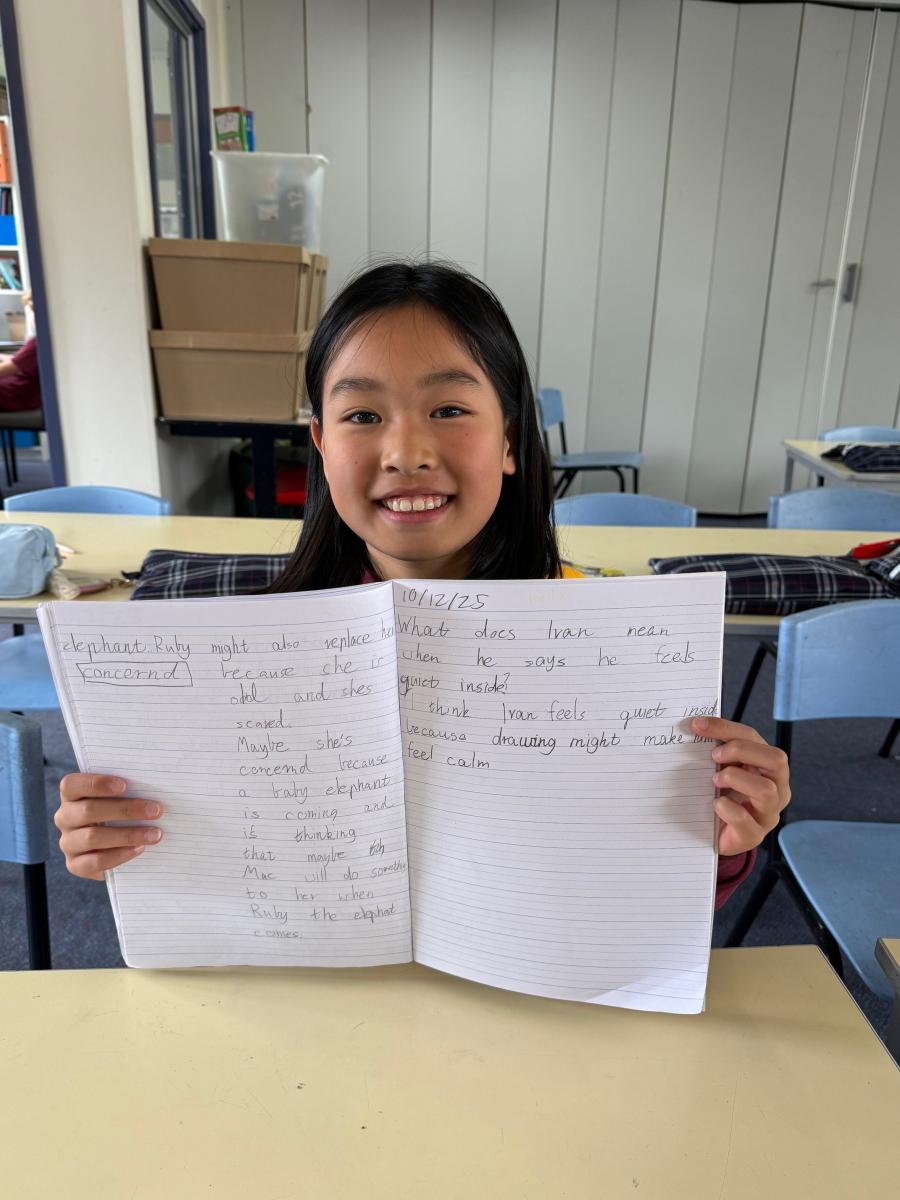
In Years 3–6, students consolidate and extend their reading comprehension skills through the study of a range of texts. They learn to synthesise information by drawing on their background knowledge, integrating new ideas, making connections, inferring, and summarising key points. Students take part in rich text discussions where they analyse authors’ language choices and share and justify their interpretations of characters, events, and information presented.
Writing
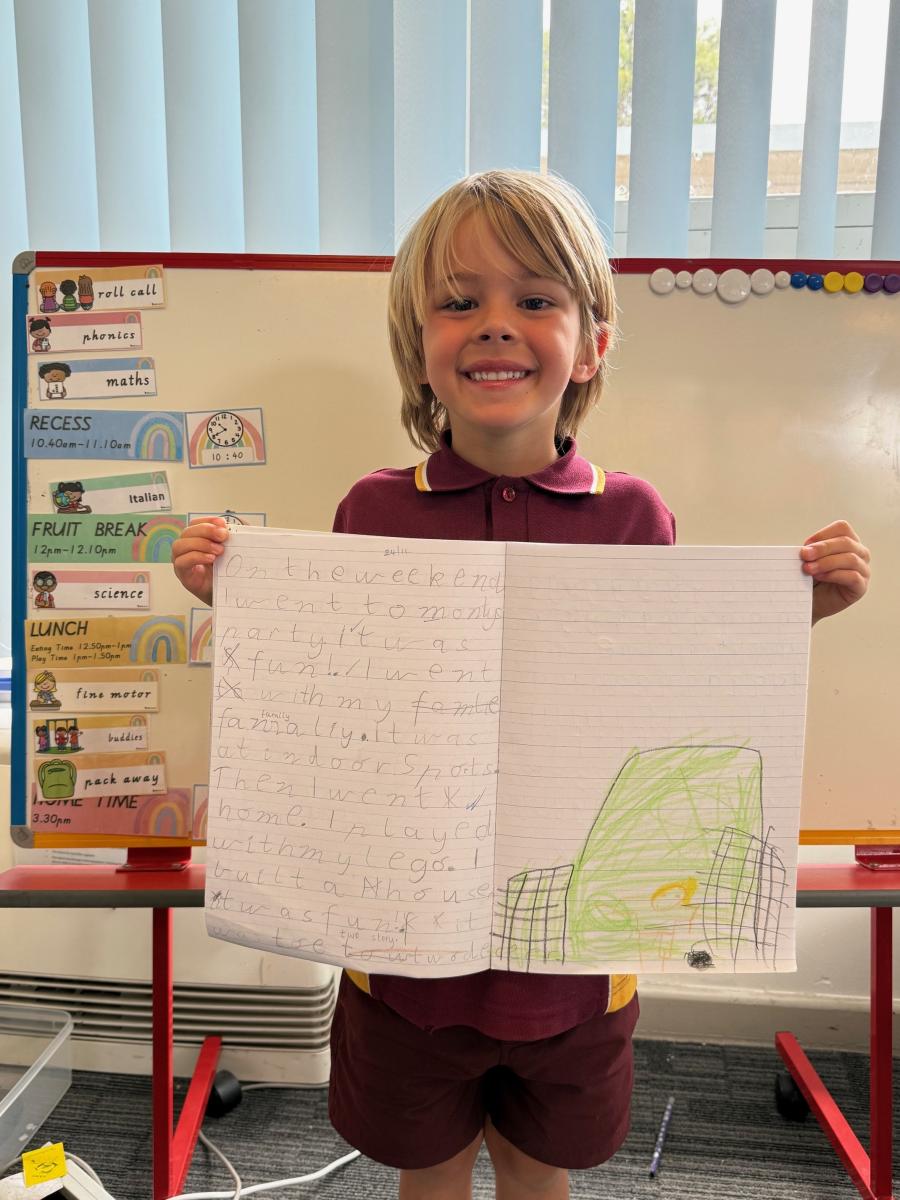
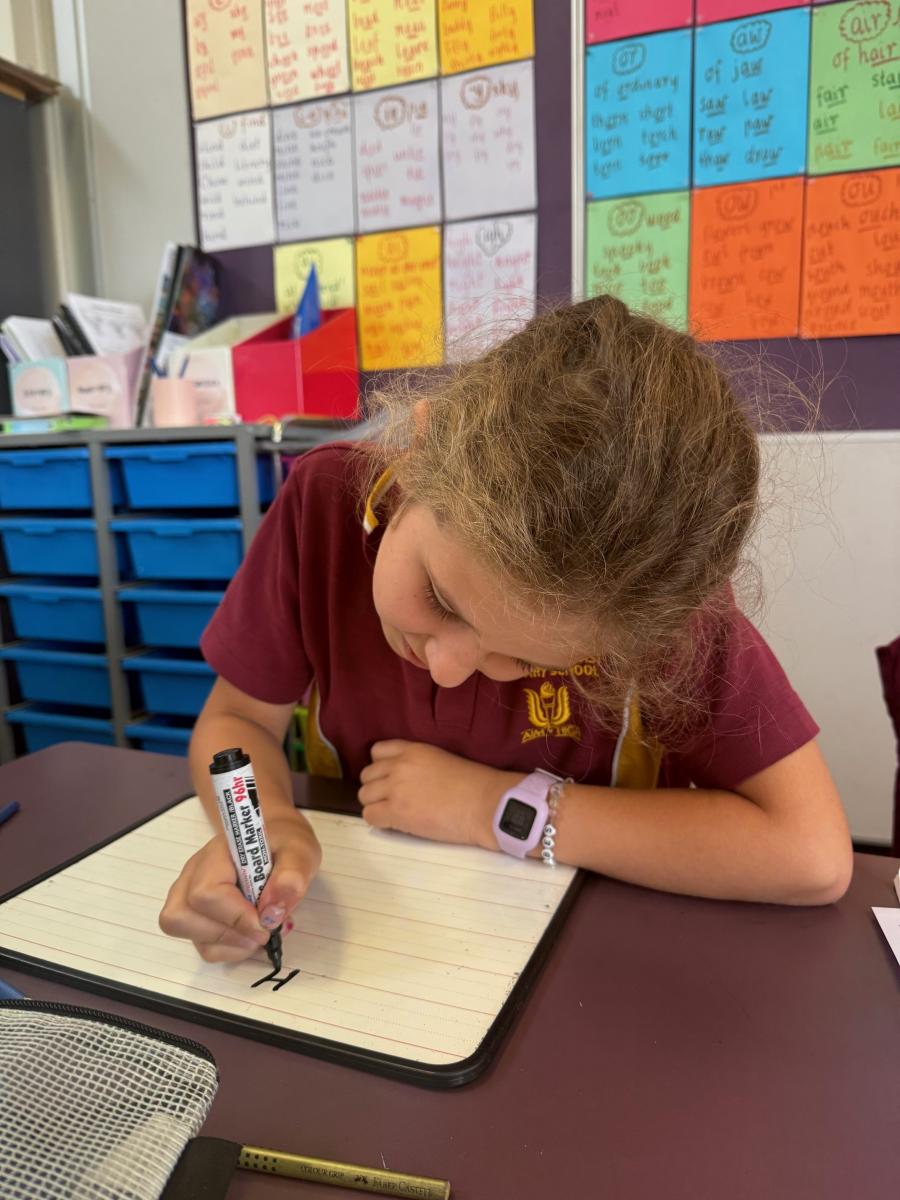
Writing is an essential component of our literacy program. Students use high-quality mentor texts as models for constructing well-crafted sentences, paragraphs, and complete texts. The Writing Revolution underpins our approach by breaking the writing process into manageable components, enabling students to practise and master each element systematically. We also draw on key writing traits: ideas, organisation, voice, word choice, sentence fluency, conventions and presentation to build strong authorial skills.
Students are guided through the full writing process, including planning, drafting, editing and publishing pieces that inform, persuade and entertain their audience.
As students move through the year levels, their spelling instruction progresses from a synthetic phonics approach to English Orthography. Through Orthography lessons, students learn how the written word works at a deeper level. They engage in activities that involve building words using prefixes, bases, and suffixes, and applying join changes when attaching suffixes to base words. Students also investigate the role of word meaning in spelling and expand their vocabulary by exploring word families. Lessons develop understanding across three key areas:
- Etymology – the origins and histories of words
- Morphology – the meaningful parts within words
- Phonology – the relationship between letters and sounds
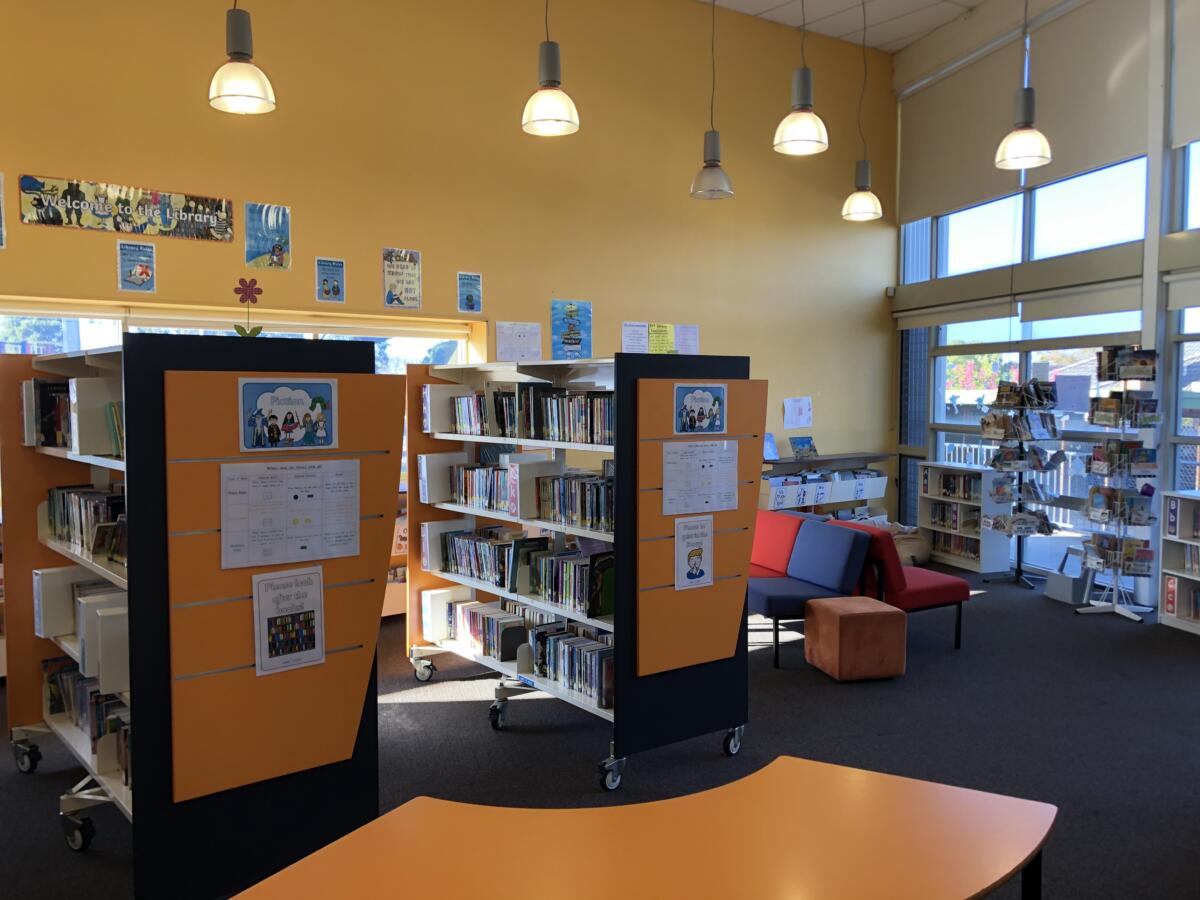
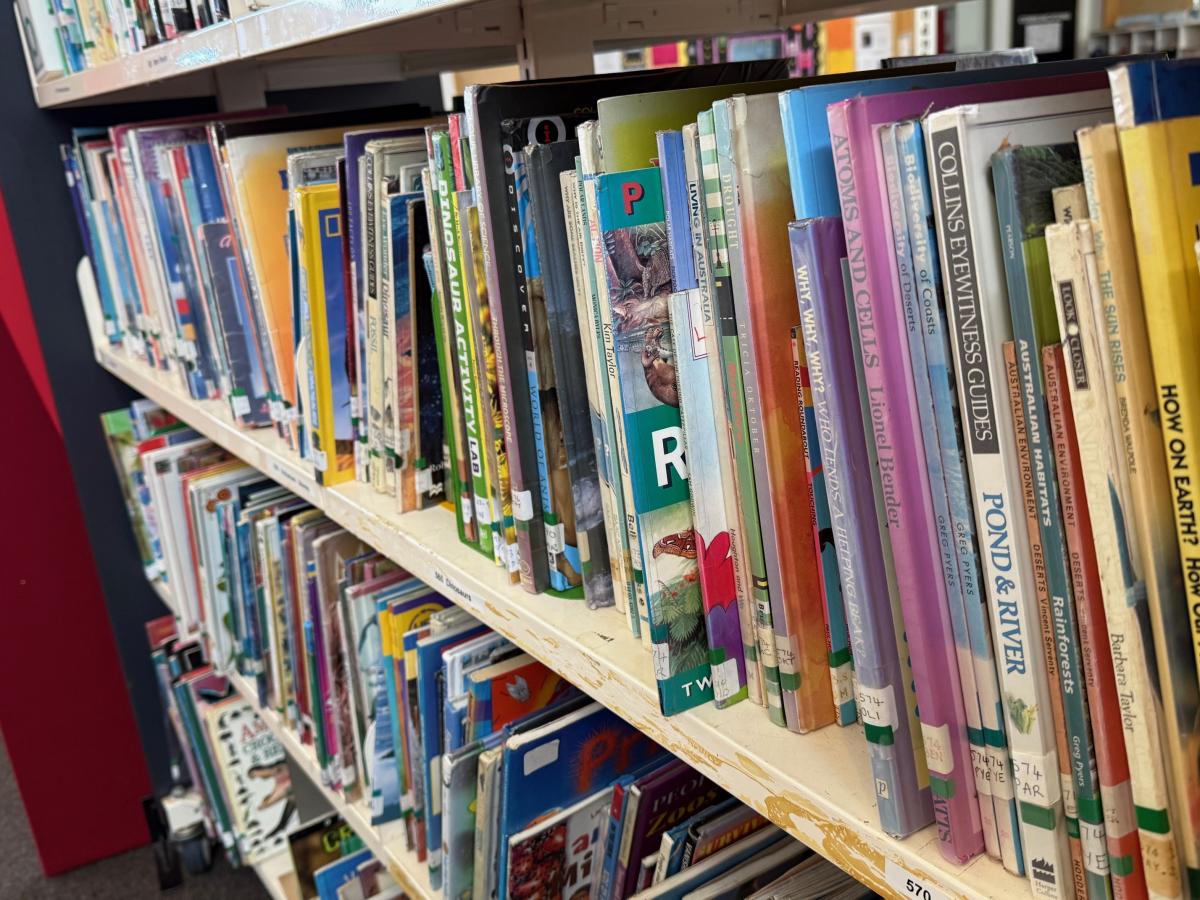
At Cheltenham East Primary School, students have access to a well-resourced library, and all classes enjoy regular library sessions where they browse, borrow, and engage with our extensive collection of books and resources. Book Week is a highlight each year, with students dressing as their favourite book characters and families participating in a variety of activities that foster a love of reading. Throughout the year, visits from authors further enrich students’ literacy experiences.
Mathematics at Cheltenham East Primary School
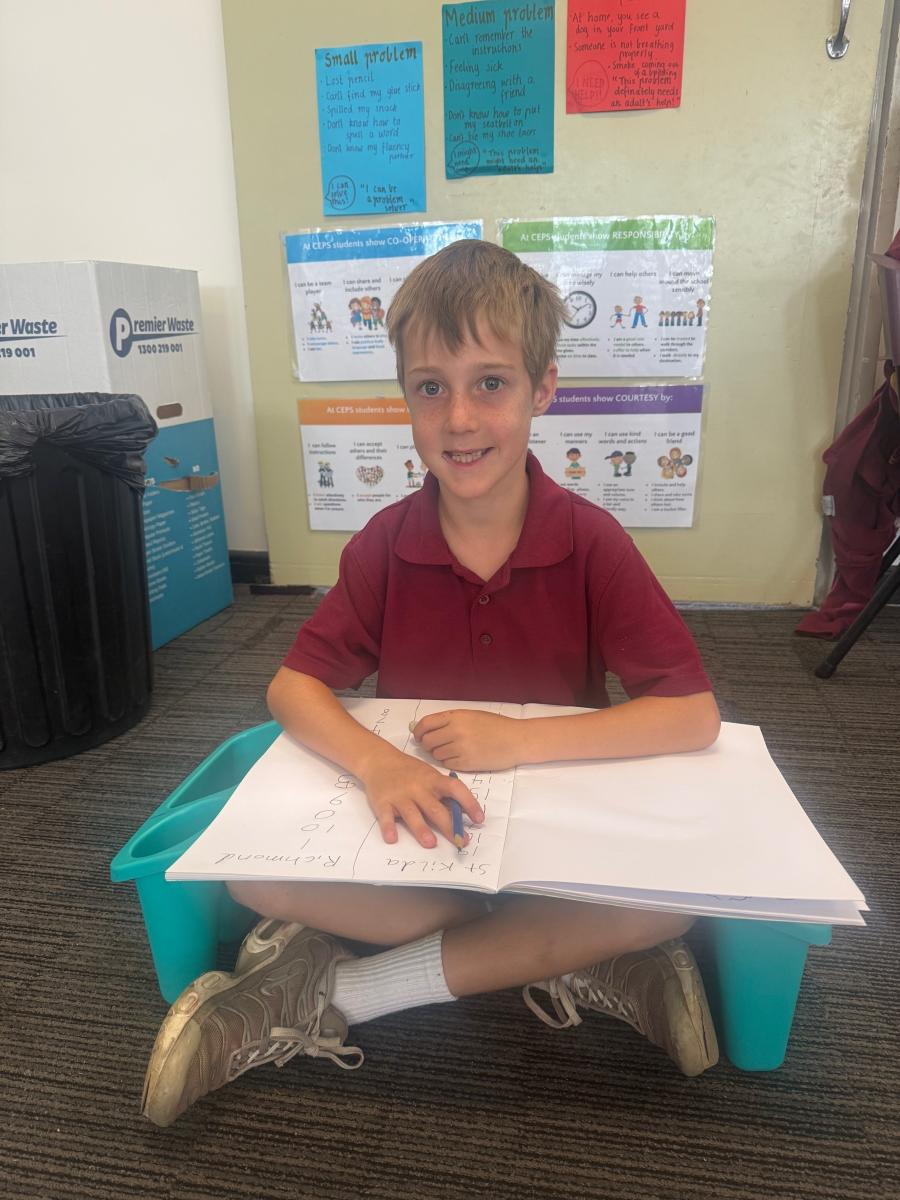
Mathematics is an important part of learning at Cheltenham East Primary School. From Foundation to Year 6, students develop skills in understanding, fluency, problem-solving, and reasoning, while building confidence and a positive attitude towards maths. Our goal is to help students develop strong foundational mathematical skills, while encouraging a love of mathematics and the ability to use it in everyday life.
How We Teach Mathematics
At CEPS, we follow the Victorian Curriculum 2.0 with a clear whole school scope and sequence to ensure students build strong foundations in essential mathematical concepts. Lessons are carefully structured to give students multiple opportunities to practise, revisit, and consolidate their learning across different contexts, with a strong focus on committing number skills to long-term memory.
Each lesson includes:
- Daily Reviews– revisiting previous learning to strengthen memory and understanding.
- Explicit Teaching– clear demonstrations and explanations of concepts.
- Guided Practice– practising new skills with teacher support.
- Supported Application– applying learning independently in a range of situations.
This approach gives students plenty of opportunities to practise and revisit their learning, helping them remember what they’ve learned, feel confident, and build strong, lasting mathematical skills.
Assessment and Growth
Teachers monitor student progress through regular assessments. Formative assessments help students understand how they are progressing and guide teaching to meet individual needs. Over time, we track growth to ensure each student continues to develop their mathematical understanding and confidence.
Supporting Every Learner
We recognise that every child learns differently, so teaching is tailored to provide the right level of support and challenge. By revisiting key ideas and consolidating learning in varied ways, all students are supported to grow their understanding and confidence in mathematics.
Humanities/Inquiry Learning
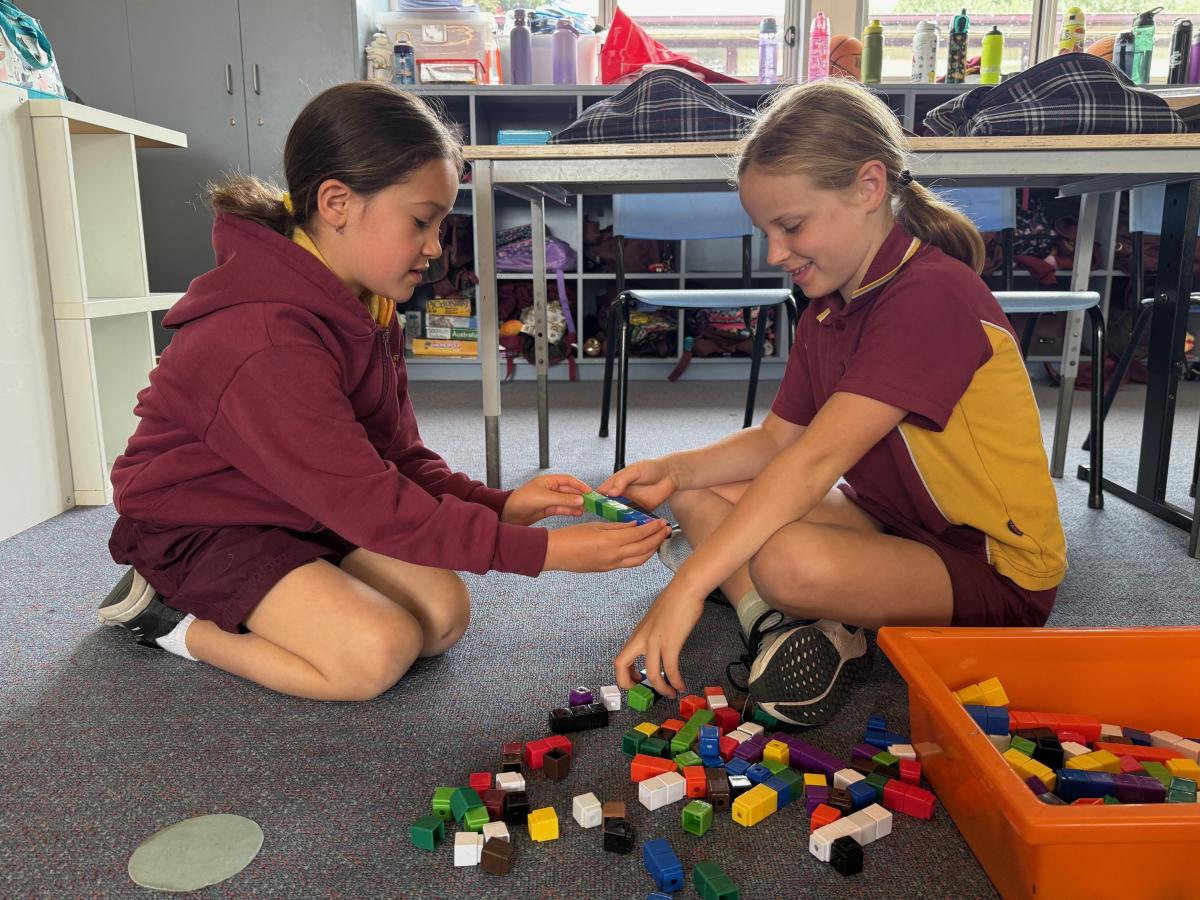
At Cheltenham East Primary School, students build a deep and coherent understanding of the world through a knowledge-rich curriculum aligned with the Humanities and Technologies areas of the Victorian Curriculum 2.0. They learn about their place within the school, the local community, Australia and the wider world, gaining the essential background knowledge that helps them understand how people, places and systems interact.
Learning is delivered through explicit instruction, where teachers introduce new concepts clearly and systematically, model skills and processes, and guide students through carefully structured practice before independent application. This approach ensures all learners develop strong foundational knowledge and the disciplinary skills needed to think, analyse and communicate effectively.
Students engage in explicit teaching across the following content areas:
- History
- Geography
- Civics and Citizenship
- Economics and Business
- Design and Technologies
- STEAM (Science, Technology, Engineering, Arts and Mathematics)
In addition to building core Humanities knowledge, students also develop key Capabilities from the Victorian Curriculum 2.0:
- Critical and Creative Thinking – analysing information, evaluating perspectives and generating solutions
- Ethical Capability – understanding fairness, rights and responsibilities
- Intercultural Capability – recognising cultural diversity, perspectives and global interconnectedness
- Personal and Social Capability – building resilience, developing empathy, working collaboratively and reflecting on their learning
STEAM projects are incorporated within Humanities units, where students apply their new knowledge and skills to a practical, creative or analytical task. These projects strengthen connections between concepts, reinforce understanding and provide opportunities for students to demonstrate learning in varied and purposeful ways. Students collaborate with peers, plan and organise their work, solve problems, manage tasks over time and communicate their thinking clearly. This process reinforces their understanding of content while also strengthening the personal, social and cognitive skills essential for success at school and beyond.
Science
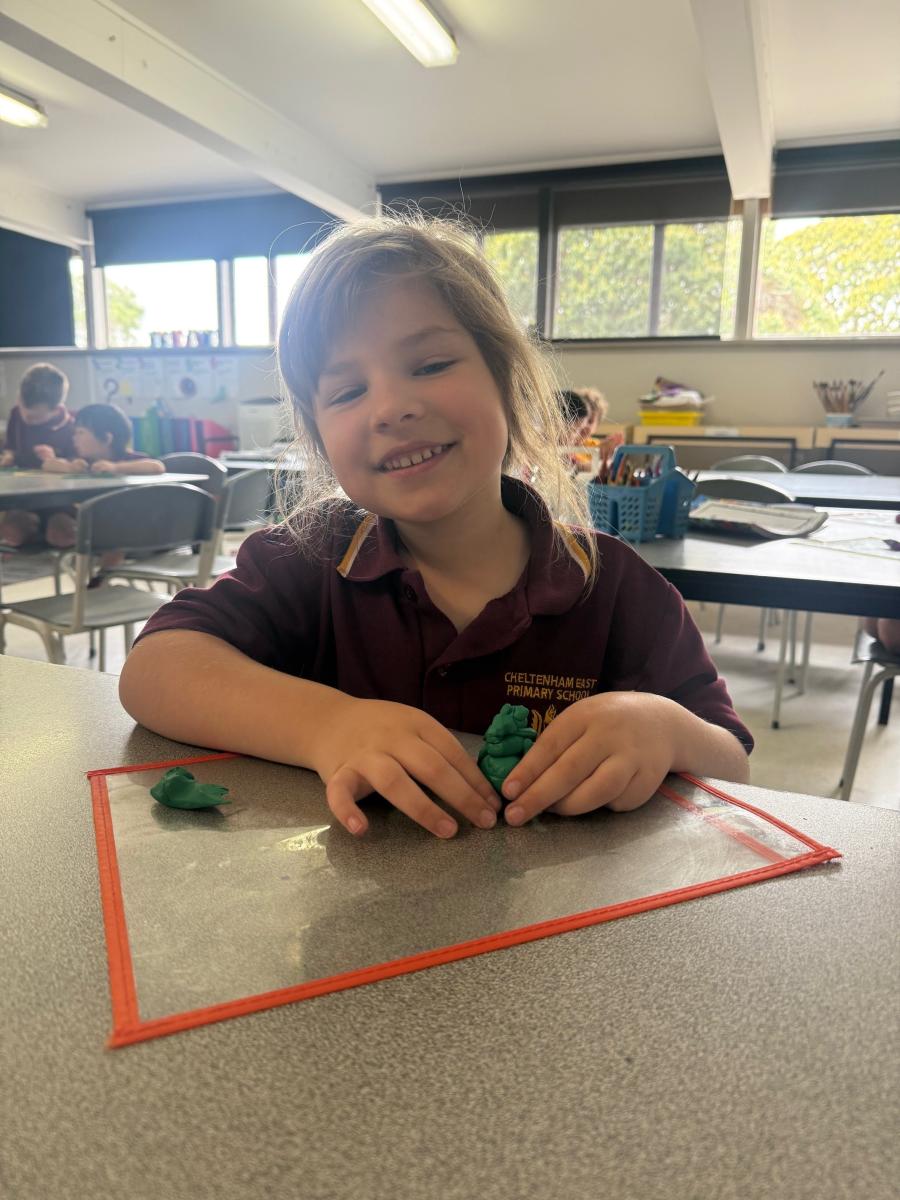
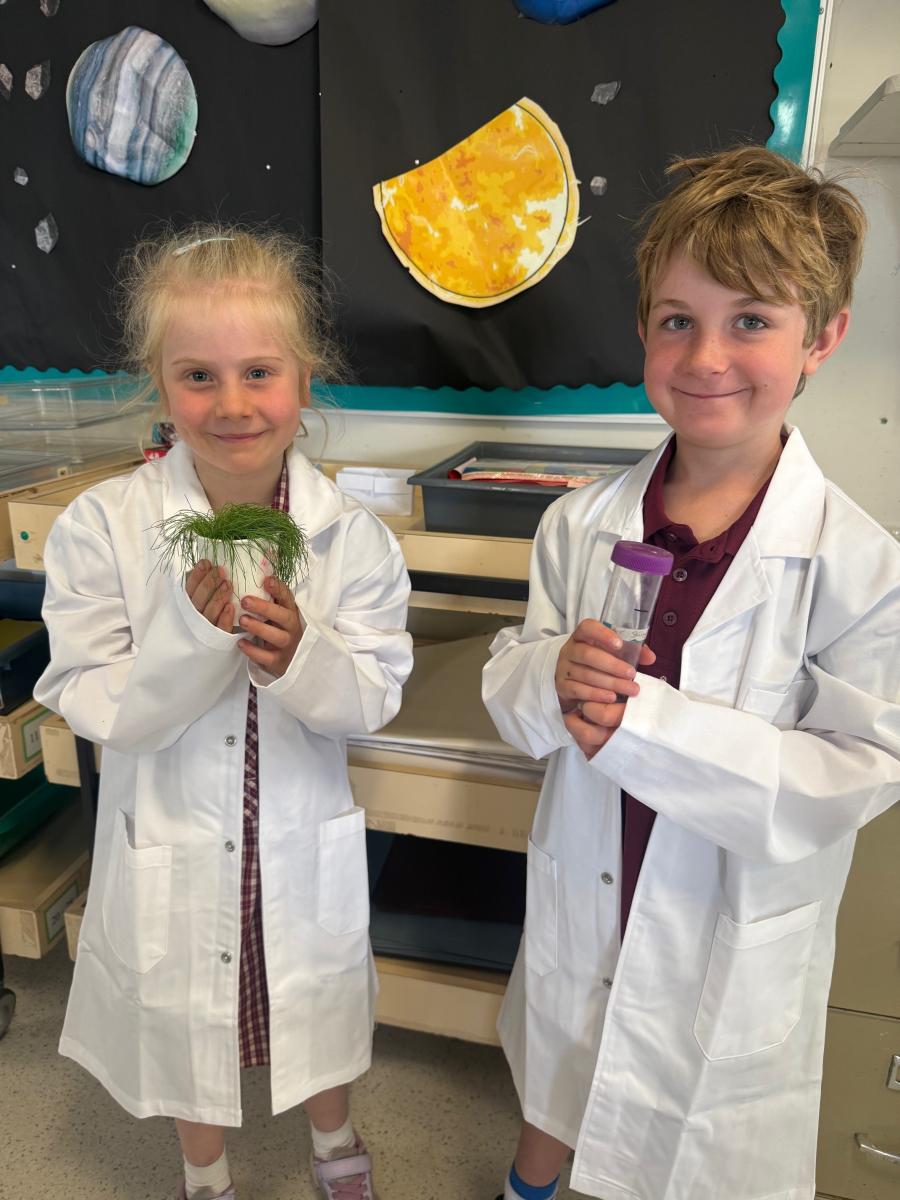
At Cheltenham East Primary, students from Foundation to Year 6 experience the wonders of Science in a weekly session held in our dedicated science room.
Engaging, hands-on activities and experiments are planned alongside the Primary Connections Science Program to explore concepts of Biological Science, Chemical Science, Physical Science and Earth and Space Science.
Students are given opportunities to work collaboratively with their peers and develop their scientific literacy skills by learning ways to record observations, experiences and reflections.
Technology at Cheltenham East Primary School
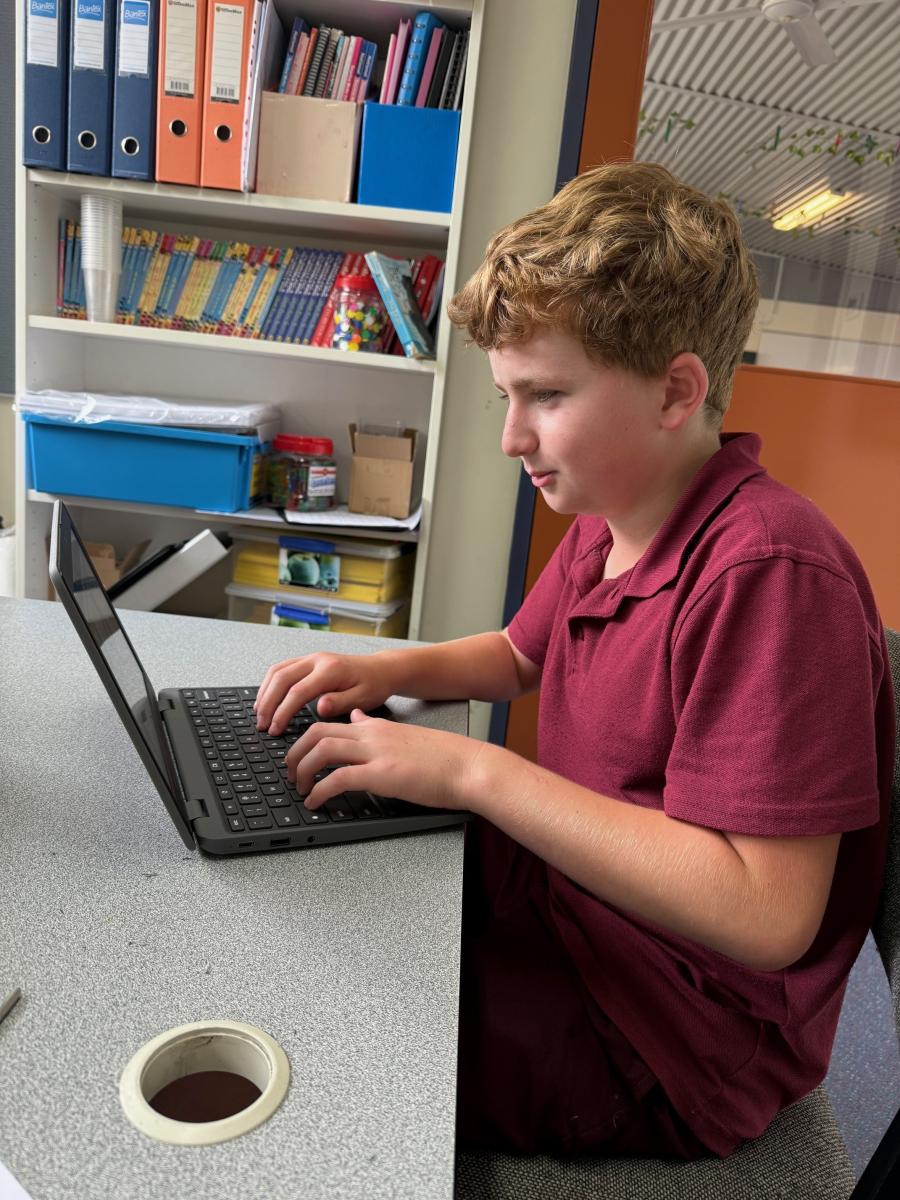
At Cheltenham East Primary School, technology is an essential tool for learning. The school provides leased Chromebooks and iPads for students and teachers, ensuring consistent access to devices that support engagement, creativity and critical thinking. Digital Technologies is taught from Foundation to Year 6 in line with the Victorian Curriculum 2.0, and digital tools are used across all learning areas to enhance collaboration and problem-solving.
Classrooms are equipped with Chromebooks, iPads, and smart TVs, as well as access to Google Suite, providing students with opportunities to explore, create, and learn in a safe and supervised environment. We are also comfortably compliant with the Department of Education’s policy on students in 3-6 being limited to no more than 90 minutes of daily device time. We still have a strong emphasis on student demonstrating their learning through their workbooks.
eSmart and Digital Citizenship
Our school has been an eSmart School since 2016, supporting safe, respectful and responsible use of technology. We place a strong emphasis on digital citizenship, teaching students how to navigate online spaces safely, communicate respectfully and make positive and well-informed choices when using digital tools.
We encourage families to continue promoting smart and safe online behaviours at home.
Visual Art
Welcome to the Visual Arts Studio at Cheltenham East Primary
“Every child is an Artist”-Pablo Picasso
Our Art Studio is a vibrant, immersive space where students explore a wide range of art making media and processes to excite the imagination and nurture their creativity.
- The Art program is an integral part of the curriculum and natural links are made with what the students are learning in the classroom.
- They learn to explore and express their ideas, emotions and understandings through making and responding to artworks.
- Students explore a wide variety of art making media and develop skills in drawing, painting, modelling, construction, printmaking, collage and textiles.
- Lessons are structured around the elements of art in a way that encourages them to develop a wide range of skills- cognitive, emotional, sensory and aesthetic.
- Through art students explore different cultures and their histories and explore contemporary issues of cultural diversity.
- They learn about traditional and contemporary artists, respond to these artistic styles and discover new ways of representing and expressing their observations, ideas and imagination.
All students participate in one session of art every week throughout year from Foundation to Year 6.


Music
Our Music program provides fun and engaging weekly lessons for students from Foundation to Year 6. In our well-equipped Music room, children explore keyboards, drums, xylophones, ukuleles, and a variety of percussion instruments. Students build skills in singing, beat and rhythm, reading simple notation, creating and performing music, and expressing themselves through movement and drama.
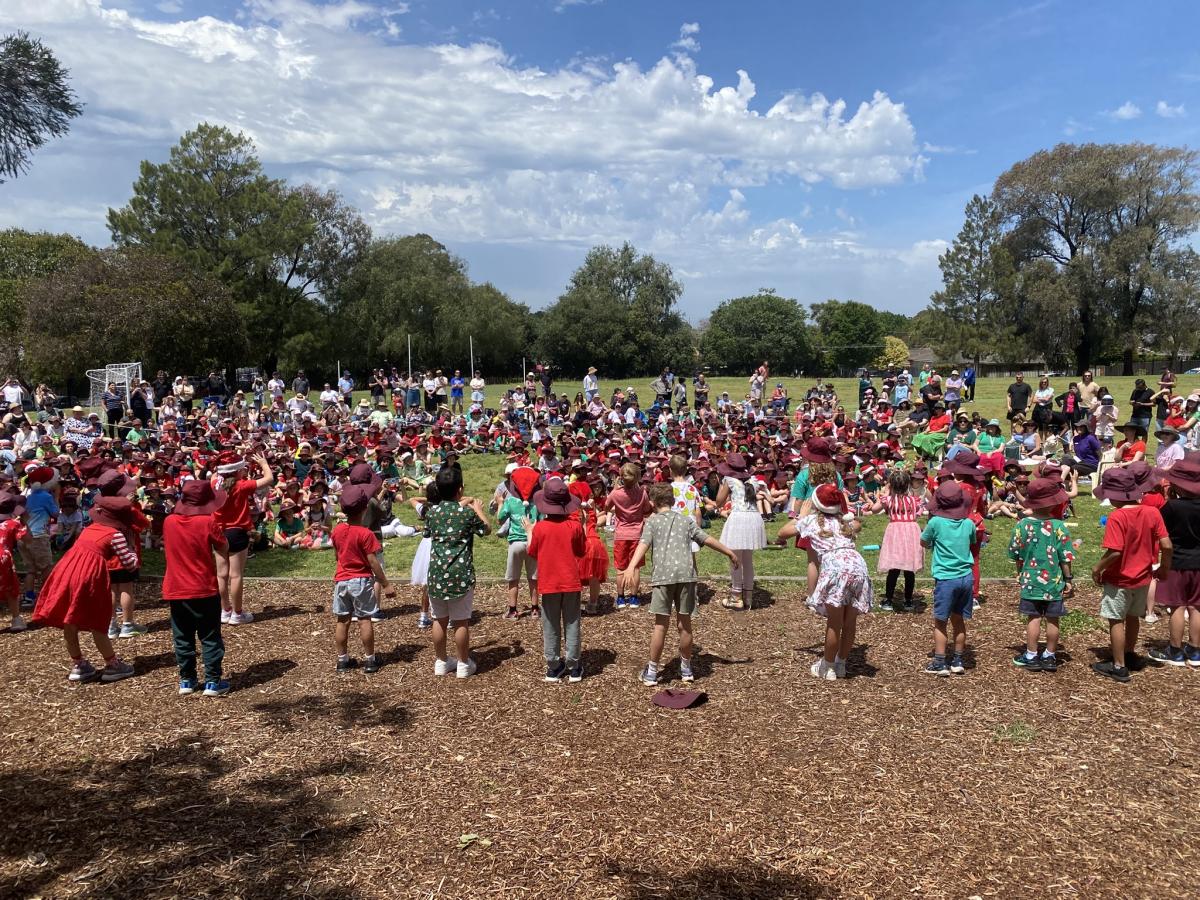
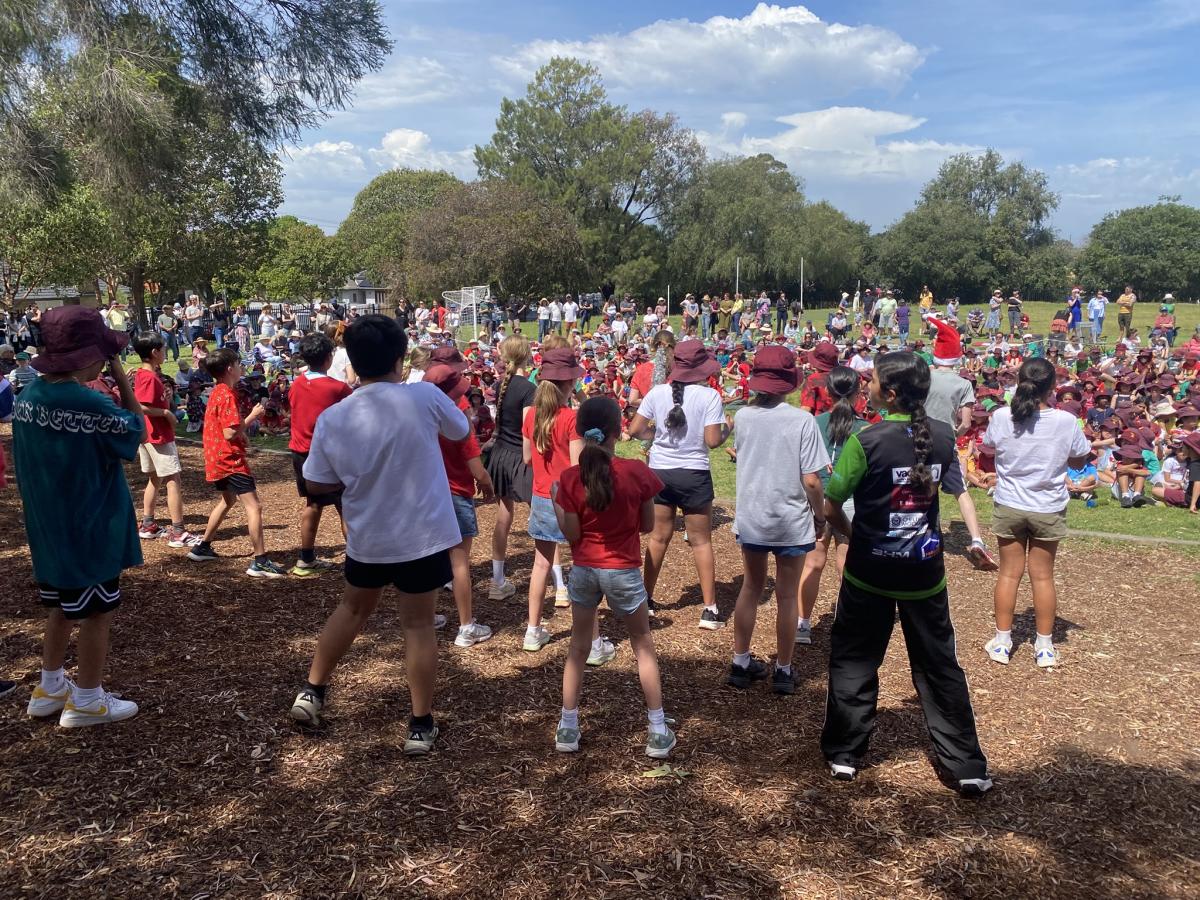
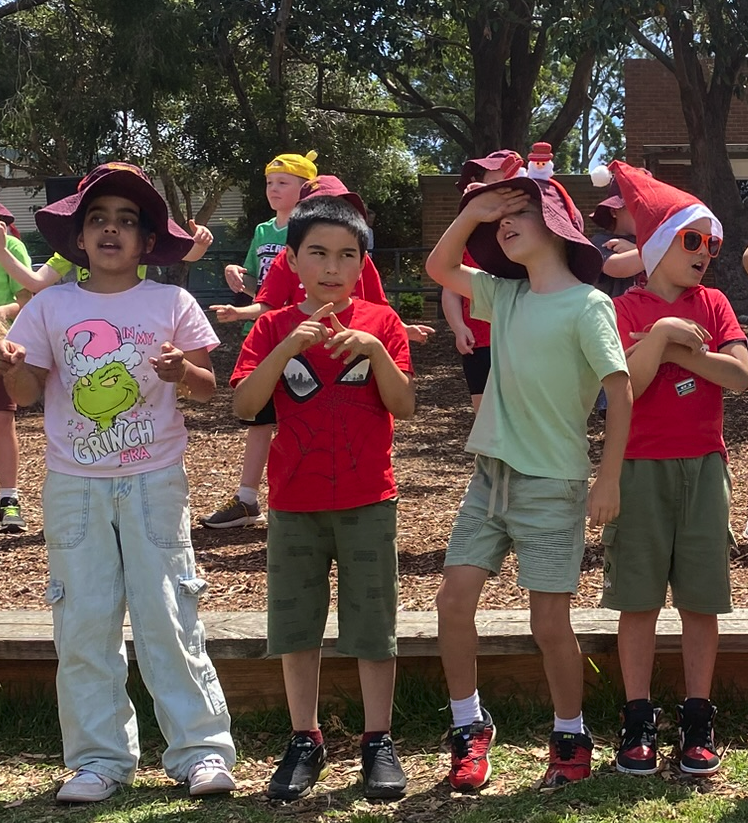
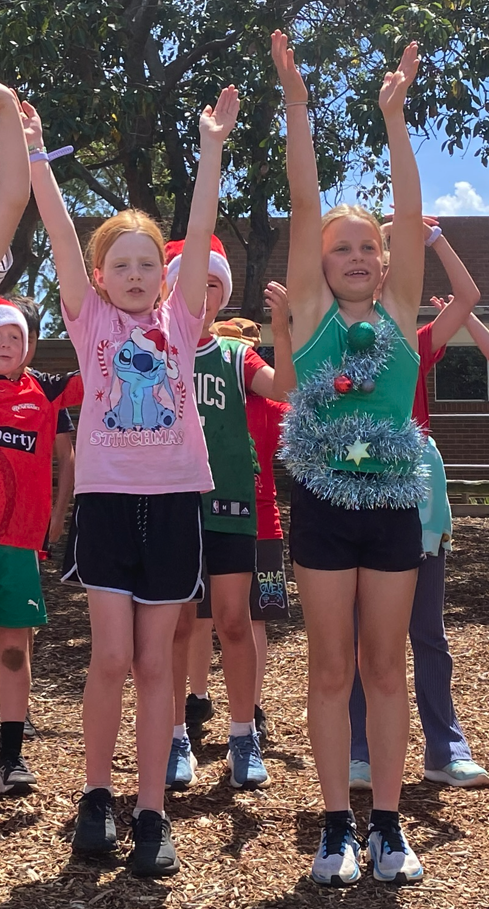
Each year level presents an annual concert where students perform a range of songs and dances for their families. These concerts are a highlight for our school community, giving every child the chance to showcase their learning, grow in confidence, and celebrate their musical achievements.
We also offer a lunchtime Choir for students who would like to further develop their singing and performance skills in a fun, supportive group environment.
 Physical Education
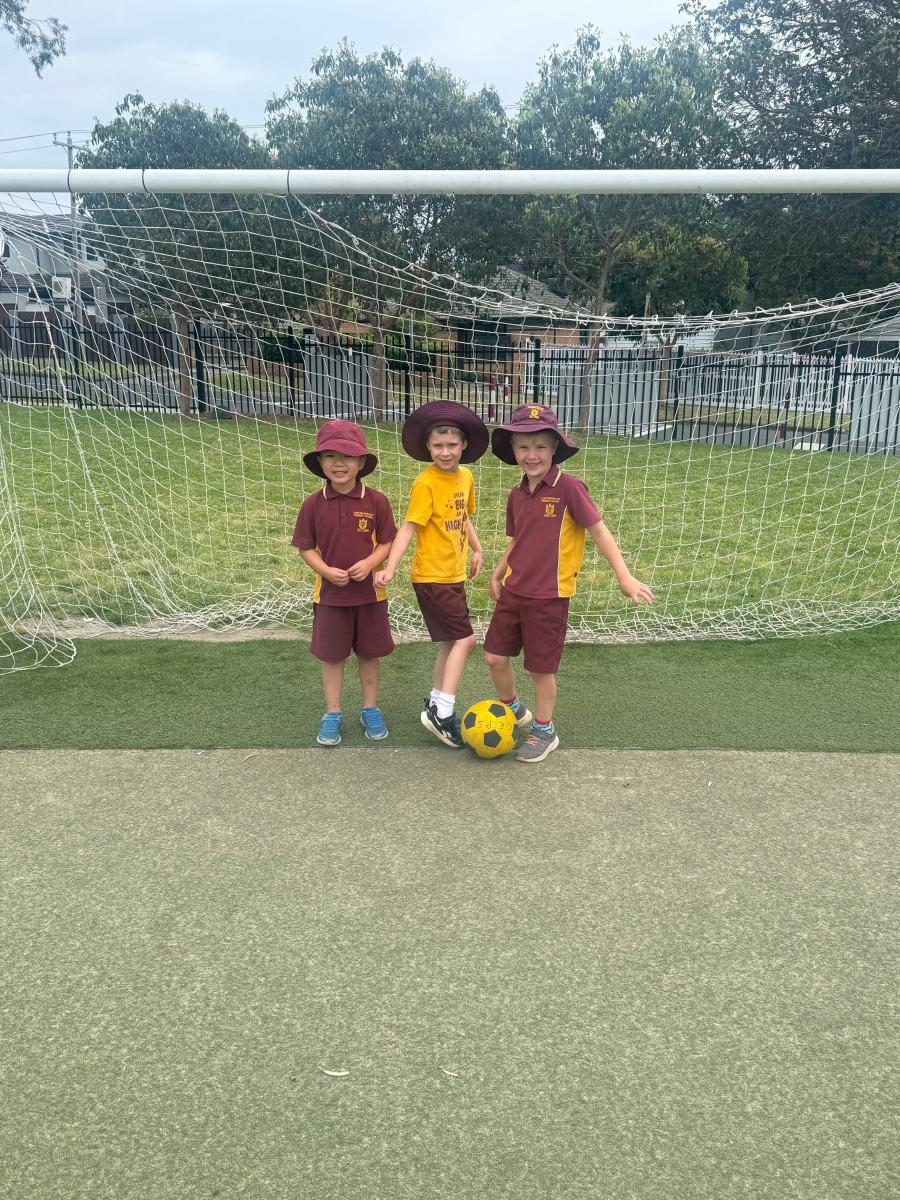

Physical Education is taught by teacher Bec Robinson and functions as part of our specialist program.
Our extensive grounds and facilities allow our Physical Education program to continue regardless of the weather. Our enthusiastic and encouraging program facilitator caters for all students to have fun whilst developing fundamental skills and awareness of body and space. Our program is developed from the Victorian Curriculum.
Students in Years 3-6 participate in Minor games including Tennis, Kanga Cricket, Football, Netball, Soccer, Tee Ball, and Volleyball throughout the year. Years 5 and 6 students participate in Inter-School Lightning Premierships. Other events such as Basketball and Girls Soccer are also arranged for students. Our students participate in House Athletics, Cross-Country and Swimming events with several children qualifying to attend Zone and District Carnivals. We are always very proud of our children and the way they participate.
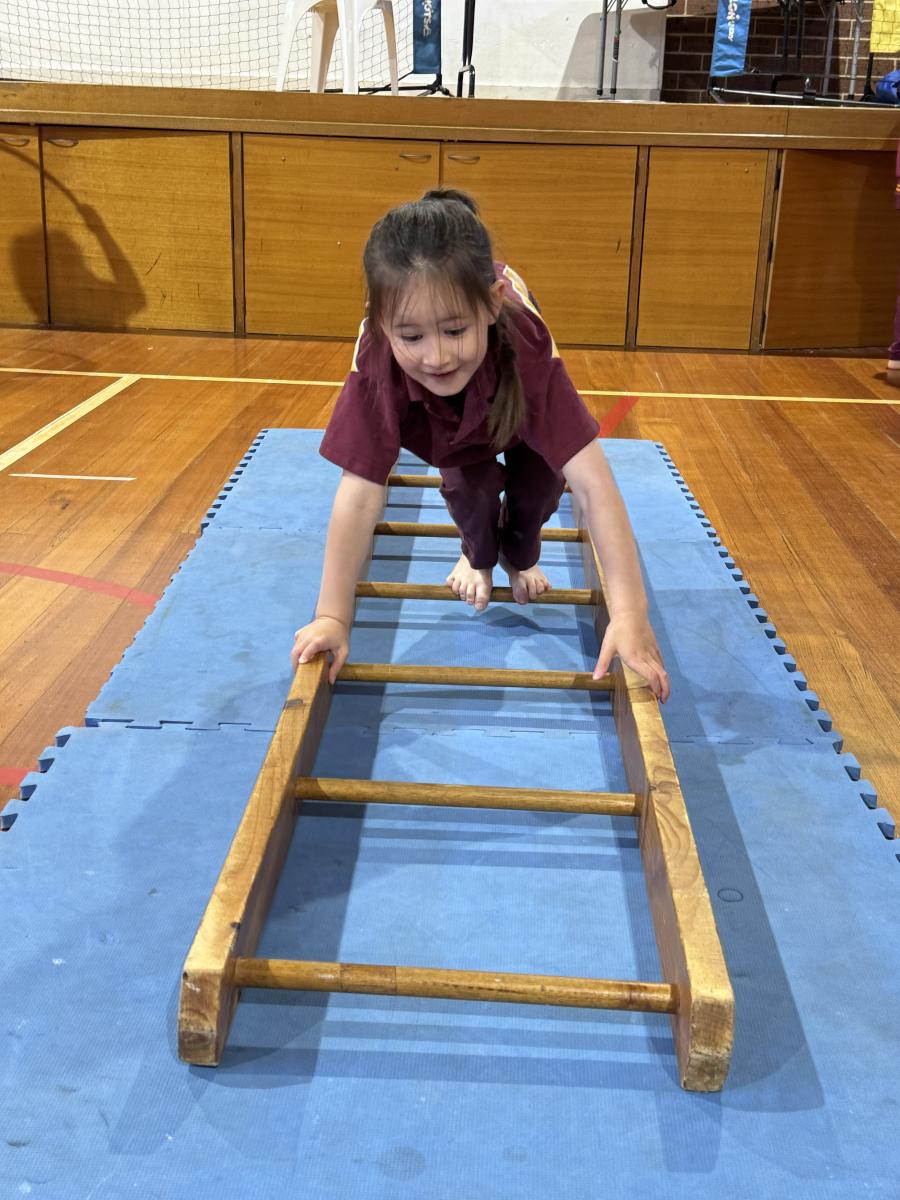
Our Foundation and Year 1 students participate in PMP, a Perceptual Motor Program.
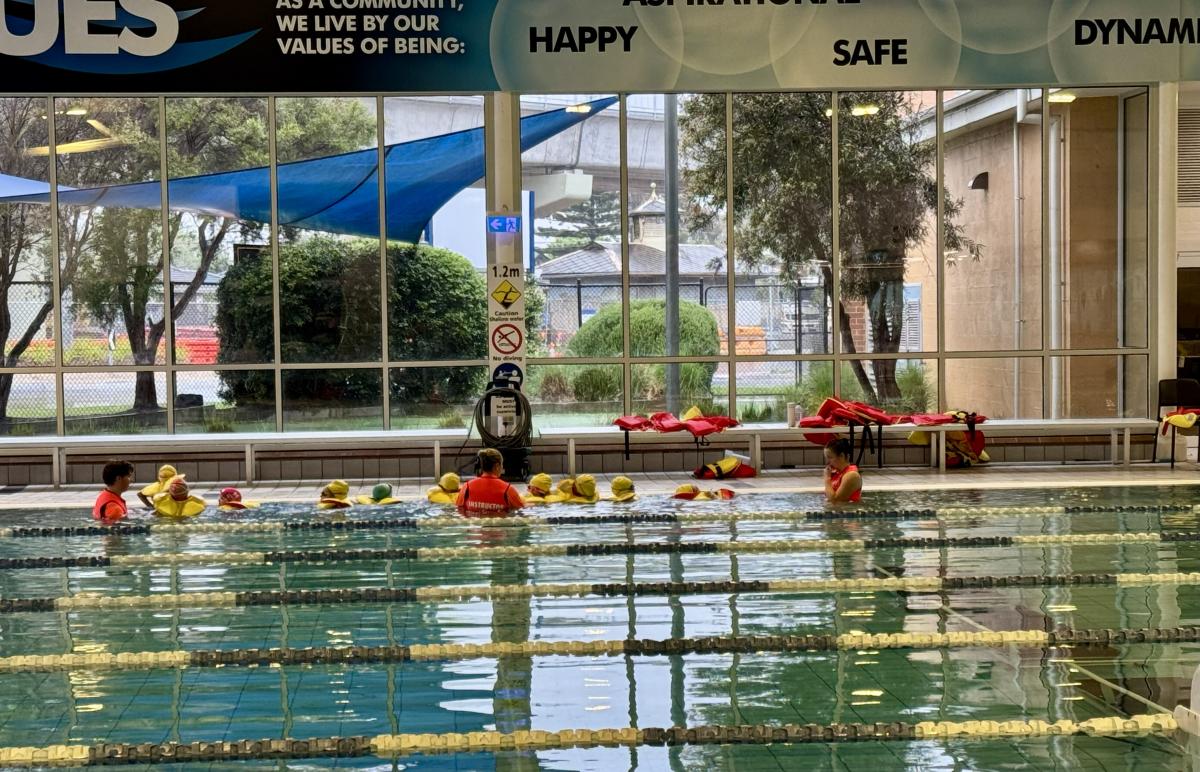
Our program is complemented with the attendance of all classes at several specialist swimming lessons at Mentone Aquatic/Mentone Grammar with grade 5 and 6 participating in a Beach program at Mentone Life Saving Club.
Languages – Italian
Our Languages program is based on the Victorian Curriculum. It is taught by teacher Signora Mondy and functions as part of our specialist program.
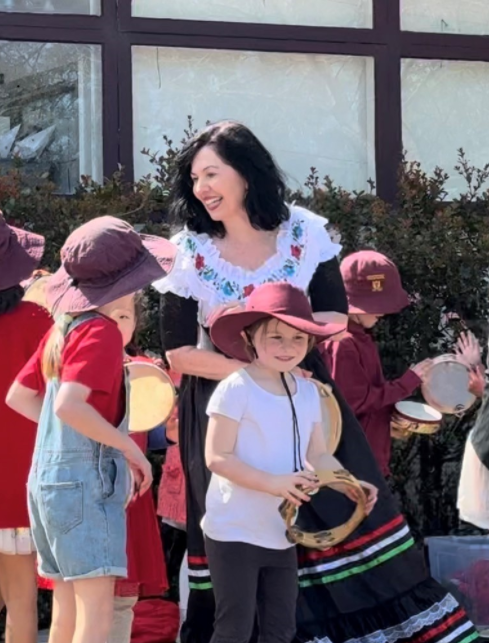
Our Italian languages program encourages children to not only be exposed to the Italian language, but also learn about Italian culture. The study of Italian also aids as a foundation for learning other languages. Children and staff participate in Special Days to promote cultural activities. Italian lessons are attended by Foundation to Year 6 students each week.

VALUES EDUCATION
Values Education and Wellbeing at Cheltenham East Primary School
At Cheltenham East Primary School (CEPS), student wellbeing is valued as equally important as learning, in line with FISO 2.0, and is embedded across all aspects of school life. Guided by evidence-informed practice, we take a whole-school approach to explicitly teaching the knowledge, skills and behaviours students need to be successful learners and positive members of the community.
Our wellbeing and values programs are aligned with the Personal and Social Capability domain of the Victorian Curriculum, which supports students to develop self-awareness, self-management, social awareness and positive relationships.
https://victoriancurriculum.vcaa.vic.edu.au/personal-and-social-capability/introduction
Through clear expectations, explicit instruction and consistent reinforcement, we create a safe, inclusive and predictable learning environment that supports engagement, behaviour and learning for all students.
CEPS Values
The four values that underpin daily practice at Cheltenham East Primary School are Courtesy, Respect, Co-operation and Responsibility. These values provide a shared language for behaviour and guide expectations across classrooms, playgrounds and specialist settings.
Values are explicitly taught and reinforced using common language and visual supports in every classroom. Child-friendly teaching posters clearly outline expected behaviours and are used during lessons, transitions and reflections. Student awards are presented weekly at assembly to recognise and reinforce demonstrations of Courtesy, Respect, Co-operation and Responsibility in action.
CEPS Kids are Friendly Kids
CEPS Kids are Friendly Kids is our explicit social skills program that supports students to learn, practise and apply positive behaviours. Through structured lessons, role play, guided discussion and real-life scenarios, students are taught social skills that promote positive interactions and respectful relationships.
The program is taught weekly from Foundation to Year 6 to ensure consistency, regular practice and a common understanding of expected behaviours. Students are encouraged to live our school motto “Aim High” by making positive choices and giving sustained effort.
Evidence-Based Wellbeing Programs and Approaches
Our whole-school wellbeing approach draws on evidence-based programs that emphasise explicit teaching, consistency and positive reinforcement:
- Zones of Regulation supports students to identify emotions and apply taught strategies to regulate their behaviour
- Resilience, Rights and Respectful Relationships (RRRR) explicitly teaches emotional literacy, empathy, respectful relationships and help-seeking behaviours
https://www.education.vic.gov.au/school/teachers/health/Pages/resilience.aspx - School Wide Positive Behaviour Support (SWPBS) establishes clear expectations, common language and predictable responses to behaviour
Together, these approaches support students to develop self-regulation, positive relationships and readiness to learn.
School Wide Positive Behaviour Support (SWPBS)
Cheltenham East Primary School has implemented School Wide Positive Behaviour Support (SWPBS) since 2014. SWPBS is a whole-school, evidence-based framework that focuses on prevention, explicit teaching and consistent reinforcement of positive behaviour.
Behaviour expectations are clearly defined, explicitly taught and regularly practised across all school settings. Our core expectations align directly with our school values:
- I am Courteous
- I am Respectful
- I am Co-operative
- I am Responsible
Using a consistent, school-wide approach ensures students clearly understand what is expected, experience predictable responses, and receive positive reinforcement for meeting expectations. This supports improved behaviour, increased engagement and stronger learning outcomes for all students.